French E-Invoicing: A 2027 Readiness Guide for SMEs
Prepare your SME for French e-invoicing by connecting finance processes, an approved platform, system integration and reliable records.
In 30 seconds
For businesses within the scope of the French reform, the timetable distinguishes receipt from issuance:
- 1 September 2026: all business sizes must be able to receive electronic invoices when their suppliers are required to issue them.
- 1 September 2026: issuance and e-reporting obligations begin for large and intermediate-sized businesses.
- 1 September 2027: issuance and e-reporting obligations extend to SMEs and micro-enterprises.
Use an approved platform (plateforme agréée, formerly referred to as a PDP), directly or through compatible software. Confirm the obligations that apply to your transactions with your finance or tax adviser.
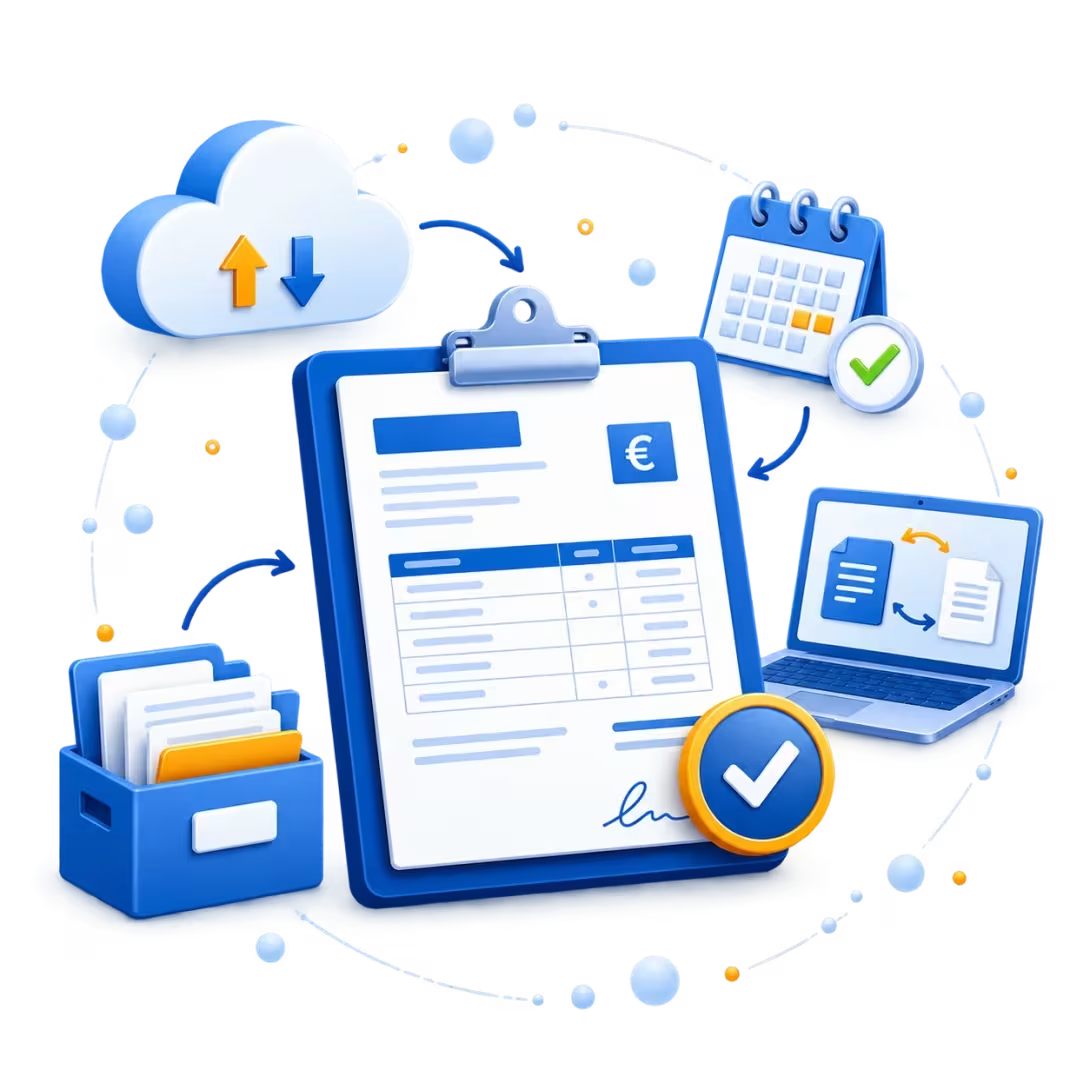
French e-invoicing affects more than invoice formatting. It changes how organisations exchange invoices, connect finance systems and manage transaction information. For SMEs in life sciences, preparation should also fit existing requirements for traceability, responsibilities and controlled documentation.
Start with your invoice flows
Map who creates, approves, receives and books each invoice. Identify the accounting system, document stores, manual spreadsheets and external providers involved. Include exceptions such as credit notes, rejected invoices and missing purchase references.
This map helps separate three questions: what the reform requires, what your systems can already do, and what needs to change.
Choose and connect an approved platform
Check the official platform list. Then assess compatibility with your existing finance software, supported workflows, error handling, user access, data export and contractual responsibilities. Test with representative transactions rather than relying only on a product demonstration.
Microsoft 365 or SharePoint can support internal collaboration and document workflows, but those uses do not by themselves replace the required approved platform.
A practical preparation sequence
- Confirm scope: business size, relevant entities and invoice flows.
- Review readiness: receipt capability, platform choice and finance software compatibility.
- Clean master data: customer and supplier records, identifiers and required invoice information.
- Design controls: approvals, access, exception handling and responsibilities.
- Test end to end: issue or receive, reject, correct, reconcile and retrieve records.
- Prepare operation: train users, document procedures and assign support ownership.
Keep records usable
Define how invoices and related evidence will be retained, protected and retrieved under the requirements applicable to your organisation. Distinguish platform services from your own retention and access responsibilities. Test retrieval rather than assuming that a stored file will always be usable.
What a readiness review can produce
- A map of invoice flows and systems.
- A gap list with priorities and owners.
- Platform selection criteria and integration questions.
- A test plan covering normal and exception scenarios.
- Updated procedures and a deployment plan.
Official references
Timetable and terminology checked on 28 September 2026: French tax authority — implementation timetable and approved platforms.
Deliverables
- A preparation sequence covering flows, controls and testing.
- A readiness-review checklist for your finance and IT teams.
Operational summary
Check receipt readiness now, plan the 2027 issuance obligation where applicable, and connect platform, systems and responsibilities.
Download
Prepare your e-invoicing project
NetQualIT can help connect the technical, operational and documentation aspects of your project, working alongside your finance team and advisers.